
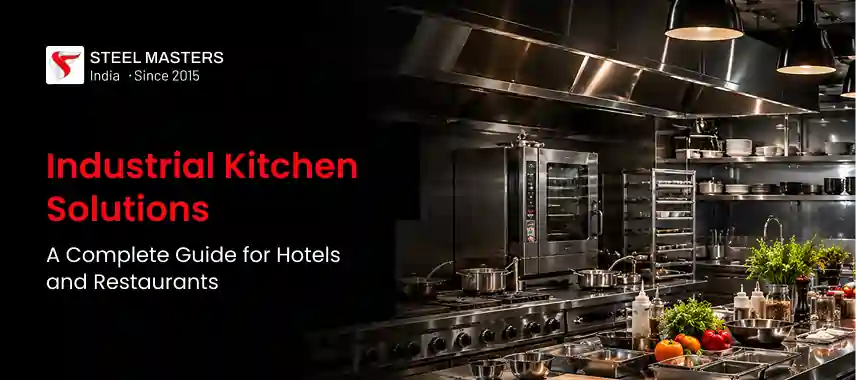
Running a hotel or restaurant depends on more than great recipes and skilled staff. Behind every successful meal is a well-planned kitchen that supports speed, hygiene, food quality, and smooth day-to-day operations. Choosing the right Industrial Kitchen Solutions is one of the most important decisions for any food business. Whether you operate a small café, a fine dining restaurant, a hotel kitchen, or a large catering facility, the right planning and equipment can improve daily operations and help maintain hygiene and food quality.
A commercial kitchen must handle heavy workloads while meeting food safety standards and keeping operating costs under control. From cooking equipment and storage units to ventilation and workflow planning, every detail matters. A poor kitchen layout can slow service, increase waste, and pose safety risks. On the other hand, a carefully planned kitchen helps staff work comfortably while maintaining consistent food quality.
What Are Industrial Kitchen Solutions?
Industrial Kitchen Solutions encompass the end-to-end planning, design, manufacturing, installation, and setup of commercial kitchens for food businesses. Rather than supplying individual products, these solutions integrate multiple kitchen components into a single, practical workspace that supports daily operations.
A complete kitchen generally includes:
- Cooking equipment
- Food preparation stations
- Refrigeration units
- Washing and cleaning areas
- Storage systems
- Ventilation equipment
- Stainless steel furniture
- Utility connections
- Safety equipment
The objective is to create a kitchen that supports daily work while ensuring hygiene, safety, and consistent food production.
Why Hotels and Restaurants Need Industrial Kitchen Solutions
Every food business has different operational needs. A small café prepares fewer meals than a five-star hotel that serves hundreds of guests every day. Selecting the right Commercial Kitchen Equipment, along with proper planning, helps businesses use available space efficiently and maintain smooth kitchen operations.
Professional kitchen planning helps businesses by:
- Improving kitchen workflow
- Reducing unnecessary movement
- Supporting faster food preparation
- Maintaining food hygiene
- Making cleaning easier
- Reducing equipment breakdown
- Making better use of available space
- Supporting staff safety
Without proper planning, even expensive equipment may fail to deliver the expected performance.
Benefits of Industrial Kitchen Solutions for Modern Food Businesses
Every successful food business depends on planning that aligns with its daily workload. Industrial Kitchen Solutions help hotels and restaurants organise every stage of food preparation, storage, cooking, and cleaning within a practical layout. This enables chefs and kitchen staff to work more comfortably while maintaining consistency during busy service hours.
Whether opening a new food business or renovating an existing kitchen, investing in proper planning from the start helps reduce operational problems later. A kitchen designed around business requirements also makes future expansion easier, without major structural changes.
Main Components of an Industrial Kitchen
Cooking Equipment
Cooking equipment is at the heart of every commercial kitchen. Choosing the right Industrial Kitchen Equipment depends on menu requirements, customer volume, and available kitchen space.
Common equipment includes:
- Commercial gas ranges
- Heavy-duty burners
- Griddles
- Deep fryers
- Tilting boiling pans
- Steam cookers
- Combination ovens
- Baking ovens
- Charcoal grills
- Salamander grills
Each business should select equipment that suits its cooking style rather than buying unnecessary machines.
Refrigeration Systems
Fresh ingredients require proper storage throughout the day.
Commercial refrigeration equipment includes:
- Walk-in cold rooms
- Upright refrigerators
- Reach-in freezers
- Under-counter refrigerators
- Display chillers
- Blast chillers
Temperature control helps reduce food spoilage and maintain ingredient quality.
Food Preparation Equipment
Preparation stations enable chefs to complete tasks quickly.
These may include:
- Vegetable cutting machines
- Dough mixers
- Meat slicers
- Food processors
- Planetary mixers
- Work tables
- Chopping stations
The right preparation equipment saves time during peak service hours and supports consistent food preparation.
Stainless Steel Furniture
Most commercial kitchens use stainless steel because it is durable and easy to clean.
Common furniture includes:
- Work tables
- Sink units
- Storage racks
- Cabinets
- Shelving systems
- Trolleys
- Dish landing tables
Stainless steel also resists rust and promotes better hygiene.
Dishwashing Area
Cleaning should remain separate from food preparation.
A washing area usually contains:
- Three-compartment sinks
- Dishwasher machines
- Glass washers
- Drain tables
- Drying racks
Keeping this section organised helps maintain cleanliness throughout the kitchen.
Commercial Kitchen Design and Layout Planning
A good Commercial Kitchen Design focuses on workflow, safety, and available space. Equipment alone cannot create a productive kitchen. Layout planning determines how staff move between work areas while reducing unnecessary walking and delays.
Most kitchens include dedicated zones.
Receiving Area
Raw materials arrive here for inspection and storage.
Storage Area
Dry goods, frozen products, and fresh ingredients are stored separately.
Preparation Area
Vegetables, meat, seafood, and bakery items are prepared in designated areas.
Cooking Area
The cooking line includes burners, ovens, fryers, grills, and preparation counters.
Plating Area
Completed dishes are assembled before being served to customers.
Washing Area
Utensils, cookware, and serving items are cleaned here.
Separating these workstations reduces cross-contamination and keeps operations organised.
Importance of Ventilation
Commercial kitchens generate smoke, steam, grease, and heat throughout the day.
A proper ventilation system helps remove:
- Smoke
- Heat
- Cooking fumes
- Grease particles
- Odors
Typical ventilation equipment includes:
- Kitchen exhaust hoods
- Fresh air systems
- Exhaust ducts
- Air filtration units
- Exhaust fans
Proper ventilation also creates a more comfortable working environment for kitchen staff.
Food Safety and Hygiene Standards
Hotels and restaurants must adhere to strict hygiene practices.
Industrial kitchen planning supports food safety through:
- Smooth stainless steel surfaces
- Easy-to-clean equipment
- Separate preparation sections
- Proper drainage systems
- Safe waste disposal
- Pest control planning
- Handwashing stations
Regular cleaning schedules also help uphold hygiene standards.
Choosing the Right Equipment Capacity
Buying oversized equipment increases both investment and operating costs.
Buying smaller equipment may slow down production.
Before purchasing equipment, consider:
- Number of daily customers
- Menu variety
- Peak service hours
- Kitchen size
- Available utilities
- Staff strength
- Future business growth
Choosing equipment based on actual requirements helps balance performance and cost.
Energy Efficiency Matters
Commercial kitchens consume large amounts of electricity and gas.
Energy-efficient equipment helps reduce monthly utility bills.
Look for equipment with:
- Better insulation
- Faster heating systems
- Controlled burners
- High-performance refrigeration
- Automatic temperature controls
Although the initial investment may be higher, long-term savings often make it worthwhile.
Importance of Stainless Steel Equipment
Stainless steel remains the preferred material for commercial kitchens for its practical advantages. It is widely used in Hotel Kitchen Equipment because it offers durability, easy maintenance, and better hygiene in food preparation areas.
Benefits include:
- Long service life
- Easy cleaning
- Rust resistance
- Strong construction
- Better hygiene
- Attractive appearance
- Low maintenance
Grade 304 stainless steel is widely used because it performs well in demanding kitchen environments and meets the needs of busy food businesses.
Fire Safety in Commercial Kitchens
Fire hazards are common where gas, oil, and high temperatures are present.
Safety measures include:
- Fire suppression systems
- Fire extinguishers
- Emergency shut-off valves
- Heat-resistant exhaust systems
- Proper gas pipeline installation
- Staff safety training
Routine inspections help identify problems before they become serious, supporting a safer workplace for employees.
Waste Management
Restaurants generate large amounts of food waste daily.
A good waste management plan includes:
- Separate wet and dry waste bins
- Grease traps
- Waste collection stations
- Covered disposal containers
- Scheduled cleaning
Proper waste handling supports cleanliness, helps control unpleasant odours, and complies with local food safety regulations.
Kitchen Equipment Maintenance
Regular maintenance keeps equipment operating properly.
Recommended practices include:
- Daily cleaning
- Weekly inspections
- Checking gas connections
- Cleaning ventilation filters
- Servicing refrigeration systems
- Inspecting electrical connections
- Replacing worn parts when required
Ignoring maintenance often leads to unexpected downtime, higher repair costs, and service interruptions during working hours.
How to Select an Industrial Kitchen Equipment Manufacturer
Choosing the right manufacturer is as important as selecting the equipment itself. An experienced supplier understands the daily requirements of hotels, restaurants, cafés, and catering businesses and can recommend suitable Commercial Kitchen Setup options based on available space and production capacity.
Before making a decision, check whether the company provides:
- Kitchen layout planning
- Equipment manufacturing
- Installation support
- Utility planning
- After-sales service
- Spare parts availability
- Maintenance support
- Industry experience
A manufacturer familiar with hotel and restaurant operations can recommend practical equipment combinations rather than unnecessary purchases.
Industrial Kitchen Solutions for Different Food Businesses
Different businesses require different kitchen configurations. Selecting suitable Restaurant Kitchen Equipment or hotel-specific systems depends on the menu type, customer volume, and daily production requirements.
Hotels
Hotels often require:
- Bulk cooking equipment
- Banquet preparation areas
- Bakery sections
- Multi-cuisine cooking stations
- Cold storage rooms
Large hotels usually invest in Hotel Kitchen Equipment to support buffet services, room service, banquet operations, and multiple restaurant outlets under one roof.
Restaurants
Restaurants generally focus on:
- Cooking lines
- Preparation stations
- Refrigeration
- Dishwashing equipment
The right Restaurant Kitchen Equipment helps kitchen staff maintain consistency while serving customers during peak meal hours.
Cafés
Cafés generally require:
- Coffee preparation counters
- Refrigeration
- Baking equipment
- Compact storage
Compact layouts allow café owners to maximise limited floor space while maintaining comfortable working conditions.
Cloud Kitchens
Cloud kitchens often prioritise:
- Fast preparation
- Delivery packing stations
- Compact layouts
- Space-efficient equipment
These kitchens focus on preparing food for online orders without requiring customer dining areas.
Catering Businesses
Large catering units require:
- Heavy-duty cooking equipment
- Bulk storage
- Large washing areas
- Transport trolleys
Their kitchens are designed to prepare and safely transport food for large gatherings and events.
Budget Planning for Industrial Kitchen Solutions
Planning a realistic budget helps businesses avoid unnecessary spending while purchasing quality equipment. The total investment depends on several factors, including kitchen size, equipment selection, installation, ventilation, and utility connections.
Kitchen investment usually varies depending on:
- Kitchen size
- Equipment quantity
- Material quality
- Custom fabrication
- Installation work
- Utility connections
- Ventilation systems
Before making a purchase, businesses should compare durability, maintenance requirements, warranty support, and long-term operating costs. Selecting quality Industrial Kitchen Equipment often reduces repair costs and extends equipment lifespan.
Why Professional Kitchen Planning Matters
Professional kitchen planning integrates engineering, food safety, workflow management, and equipment selection. A well-planned Commercial Kitchen Design makes better use of available space and helps staff move comfortably between preparation, cooking, serving, and cleaning areas.
Professional planning helps businesses:
- Make better use of available space
- Support smooth kitchen operations
- Reduce unnecessary staff movement
- Maintain hygiene standards
- Improve equipment lifespan
- Support consistent food production
A well-organised kitchen also creates a better working environment, helping staff maintain food quality even during peak service periods.
Final Words
Choosing the right Industrial Kitchen Solutions is one of the most important decisions for hotels and restaurants. Every section of the kitchen, from cooking and preparation to storage, washing, and ventilation, should work as an integrated system. Investing in quality equipment, proper planning, durable stainless-steel furniture, and regular maintenance helps businesses operate smoothly while meeting food safety standards. Whether you are opening a new restaurant, upgrading a hotel kitchen, or expanding a catering business, careful planning today can support years of consistent service, customer satisfaction, and business growth.
Table of Contents
- What Are Industrial Kitchen Solutions?
- Why Hotels and Restaurants Need Industrial Kitchen Solutions
- Benefits of Industrial Kitchen Solutions for Modern Food Businesses
- Main Components of an Industrial Kitchen
- Cooking Equipment
- Refrigeration Systems
- Food Preparation Equipment
- Stainless Steel Furniture
- Dishwashing Area
- Commercial Kitchen Design and Layout Planning
- Receiving Area
- Storage Area
- Preparation Area
- Cooking Area
- Plating Area
- Washing Area
- Importance of Ventilation
- Food Safety and Hygiene Standards
- Choosing the Right Equipment Capacity
- Energy Efficiency Matters
- Importance of Stainless Steel Equipment
- Fire Safety in Commercial Kitchens
- Waste Management
- Kitchen Equipment Maintenance
- How to Select an Industrial Kitchen Equipment Manufacturer
- Industrial Kitchen Solutions for Different Food Businesses
- Hotels
- Restaurants
- Cafés
- Cloud Kitchens
- Catering Businesses
- Budget Planning for Industrial Kitchen Solutions
- Why Professional Kitchen Planning Matters
- Final Words