
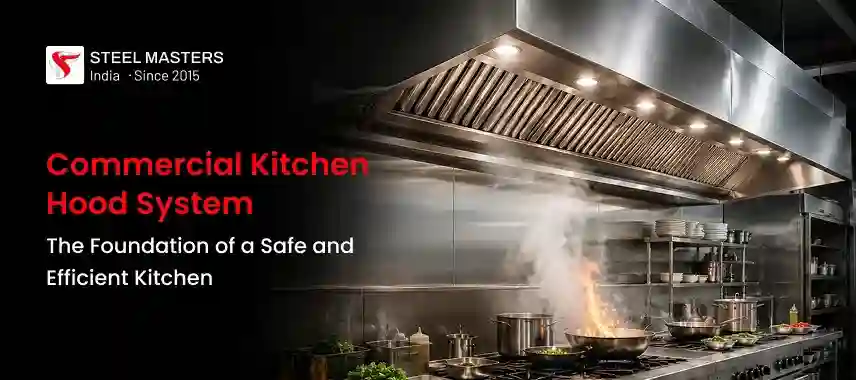
A Commercial Kitchen Hood System is one of the most important components of any professional cooking space. Every commercial kitchen produces smoke, grease, heat, steam, and cooking odours throughout the day. Without proper ventilation, these conditions can affect staff comfort, cleanliness, and kitchen safety. A well-designed hood system removes contaminated air, keeps the cooking area cleaner, and supports smooth daily operations. Whether it is a restaurant, hotel, cloud kitchen, hospital, or industrial canteen, choosing the right ventilation solution helps maintain a productive workspace while upholding food preparation standards.
Many business owners focus on cooking equipment while giving less attention to ventilation. However, a commercial kitchen hood system should be one of the first considerations in kitchen design because it directly affects safety, cleanliness, and daily productivity.
This guide explains how a commercial kitchen hood system works, its major components, available types, installation considerations, maintenance practices, and how to choose the right manufacturer.
Why a Commercial Kitchen Hood System Matters
Cooking equipment such as fryers, grills, tandoors, ovens, ranges, and gas burners generate heat, grease vapours, smoke, and moisture. Without proper ventilation, these pollutants remain in the kitchen and gradually build up on ceilings, walls, and equipment.
A Commercial Kitchen Exhaust System works alongside the hood to remove contaminated air and keep the workspace comfortable during extended operating hours.
A commercial kitchen hood system helps by:
- Removing smoke from cooking stations
- Collecting grease before it spreads
- Reducing excess heat
- Improving indoor air quality
- Keeping cooking areas cleaner
- Supporting fire safety requirements
- Providing a more comfortable working environment
These advantages benefit both kitchen staff and customers.
How a Commercial Kitchen Hood System Works
A hood system operates through a simple process.
Cooking releases smoke, grease particles, heat, and steam. A hood placed above cooking equipment captures this contaminated air before it spreads throughout the kitchen.
Grease filters trap grease particles while allowing air to pass through. Exhaust fans draw the air into ductwork and discharge it outside the building. Fresh replacement air enters the kitchen via a make-up air system, helping maintain balanced airflow.
A properly designed Kitchen Hood Ventilation System enables this continuous airflow to keep the kitchen cooler and cleaner during busy service hours.
Main Components of a Commercial Kitchen Hood System
Every commercial kitchen hood system comprises several important parts that work together.
Hood Canopy
The canopy is the visible stainless-steel structure installed above cooking appliances. It collects smoke, grease, steam, and hot air directly from the cooking surface.
The canopy size depends on:
- Cooking equipment layout
- Kitchen size
- Type of cooking
- Production volume
A properly sized canopy captures airborne particles more effectively.
Grease Filters
Grease filters prevent grease from entering the ductwork.
Common filter options include:
- Baffle filters
- Stainless steel grease filters
- High-performance grease extraction filters
These filters are removable for routine cleaning.
Exhaust Fan
The exhaust fan creates suction, drawing contaminated air through the hood and duct system.
The fan capacity depends on:
- Kitchen size
- Number of cooking appliances
- Heat generation
- Hood dimensions
Proper fan sizing is a major factor in ventilation performance.
Ductwork
The duct system transports grease-laden air from the hood to the outside.
Commercial kitchen ducts are typically made of stainless steel or galvanised steel, depending on project requirements.
Smooth interior surfaces help reduce grease build-up and simplify cleaning.
Make-Up Air System
As the exhaust fan removes air from the kitchen, fresh air must replace the removed air.
A make-up air system supplies outside air to the kitchen to maintain balanced pressure and support proper ventilation.
Without replacement air, kitchen doors may become difficult to open, air circulation becomes poor, and ventilation performance decreases.
Fire Suppression System
Many commercial kitchens install automatic fire-suppression systems inside the hood.
These systems detect excessive temperatures and, if required, release fire-suppressing agents over cooking appliances.
They add another layer of protection for commercial kitchens that use fryers, grills, and open-flame equipment.
Types of Commercial Kitchen Hood System
Different kitchens require different hood designs based on cooking methods.
Type I Hood System
Type I hoods are used for cooking equipment that produces grease vapour.
Examples include:
- Deep fryers
- Charbroilers
- Griddles
- Tandoors
- Gas ranges
- Woks
- Salamanders
These hoods include grease filters and are commonly installed as part of a restaurant kitchen hood system.
Type II Hood System
Type II hoods remove:
- Steam
- Heat
- Moisture
- Odours
They are suitable for equipment that produces little or no grease, such as:
- Dishwashers
- Steamers
- Pasta cookers
- Baking equipment
Wall-Mounted Hood
Wall-mounted hoods are installed on a wall above cooking equipment.
They are common in restaurants where cooking stations are arranged along one side of the kitchen.
Island Hood
Island hoods are suspended from the ceiling above the cooking equipment in the centre of the kitchen.
These are often found in:
- Large hotels
- Institutional kitchens
- Open kitchens
- Premium restaurant layouts
Industries That Need a Commercial Kitchen Hood System
Commercial hood systems serve many industries beyond restaurants.
They are widely used in:
- Hotels
- Restaurants
- Cafés
- Cloud kitchens
- Fast food outlets
- Food courts
- Hospitals
- Educational institutions
- Industrial canteens
- Catering kitchens
- Resorts
- Banquet facilities
- Corporate cafeterias
Every facility handling commercial-scale cooking needs proper ventilation.
Choosing the Right Commercial Kitchen Hood System
Every kitchen has different ventilation needs.
Several factors should be considered before selecting a hood system.
Type of Cooking
Heavy-grease cooking requires Type I hoods, while steam-producing equipment often requires Type II systems.
Kitchen Layout
The hood should match the arrangement of the cooking appliances.
Poor positioning may allow smoke to escape into the kitchen.
Airflow Capacity
Fan capacity should match the cooking intensity.
Insufficient airflow leaves smoke inside.
Excessive airflow may increase operating costs and create a pressure imbalance.
Hood Size
The hood should fully cover the cooking appliances and provide sufficient overhang to collect smoke and grease.
Stainless Steel Quality
A Stainless Steel Kitchen Hood offers durability, easy cleaning, corrosion resistance, and long service life.
Many commercial kitchens prefer Grade 304 stainless steel for its suitability in food-service environments.
Local Safety Standards
Commercial kitchens should comply with local fire safety, ventilation, and building regulations.
Working with experienced manufacturers helps meet these requirements.
Benefits of Commercial Kitchen Ventilation
A properly designed Commercial Kitchen Ventilation system offers several long-term advantages.
Better Air Quality
Smoke, grease, and cooking odours are removed before spreading throughout the kitchen.
Improved Staff Comfort
Lower kitchen temperatures create a more comfortable workplace during busy hours.
Cleaner Kitchen Environment
Grease accumulation on walls, ceilings, and equipment is reduced.
Cleaning becomes easier and less frequent.
Lower Fire Risk
Removing grease from the air and ductwork reduces one of the common fire hazards in commercial kitchens.
Equipment Protection
Excess grease and heat can damage nearby kitchen equipment.
Proper ventilation helps keep equipment cleaner and extends its operating life.
Better Customer Experience
In open kitchens and food courts, good ventilation prevents cooking smoke and strong odours from entering dining areas.
Kitchen Exhaust Hood Installation Considerations
Proper Kitchen Exhaust Hood Installation is as important as selecting the right hood.
Professional installation includes:
- Accurate hood sizing
- Correct duct routing
- Proper exhaust fan placement
- Balanced make-up air supply
- Secure mounting
- Fire suppression integration where required
Poor installation may reduce airflow, increase grease build-up, and create maintenance issues.
Maintenance Tips for Commercial Kitchen Hood Systems
Routine maintenance keeps the ventilation system functioning properly.
Recommended maintenance includes:
- Clean grease filters regularly.
- Inspect ductwork for grease buildup.
- Check fan operation.
- Clean hood surfaces daily.
- Inspect fire suppression equipment.
- Replace damaged filters.
- Tighten loose fasteners.
- Schedule professional inspections.
Maintenance frequency depends on cooking volume.
Busy kitchens may require more frequent cleaning than smaller kitchens.
Signs Your Hood System Needs Attention
Kitchen managers should watch for warning signs such as:
- Smoke remaining inside the kitchen
- Strong cooking odours
- Grease dripping from filters
- Louder fan noise
- Excess kitchen heat
- Reduced airflow
- Grease accumulation around the hood
- Poor exhaust performance
Addressing these issues early helps avoid larger repairs.
Working With an Experienced Commercial Kitchen Equipment Manufacturer
The hood system should never be treated as a separate product.
Experienced manufacturers assess the entire kitchen before recommending ventilation equipment.
They consider:
- Cooking menu
- Equipment layout
- Kitchen dimensions
- Airflow calculations
- Duct routing
- Future expansion
- Installation requirements
- Service accessibility
This planning helps the hood system work properly alongside cooking equipment.
Manufacturers offering design, fabrication, installation, and after-sales support can provide a smoother project experience from planning through to operation.
Future Trends in Commercial Kitchen Hood Systems
Commercial kitchens continue to prioritise cleaner operations and energy-conscious designs.
Modern hood systems may include:
- Variable-speed exhaust fans
- Smart monitoring controls
- Better grease filtration
- Lower noise operation
- Improved airflow management
- Modular hood construction
- Easier cleaning features
These developments help commercial kitchens maintain consistent ventilation and support daily operations.
Final Words
A Commercial Kitchen Hood System is much more than a ventilation unit above cooking equipment. It plays a major role in maintaining clean air, controlling grease, reducing heat, supporting fire safety, and keeping commercial kitchens running smoothly.
From restaurants and hotels to cloud kitchens and institutional facilities, choosing the right hood system starts with understanding the cooking process, kitchen layout, and ventilation requirements. Proper installation, regular maintenance, and quality stainless-steel construction all contribute to reliable long-term performance.
When planned correctly, a Commercial Kitchen Hood System becomes one of the most important components of a professional kitchen, helping create a cleaner, safer, and more productive workspace for daily food preparation.
Table of Contents
- Why a Commercial Kitchen Hood System Matters
- How a Commercial Kitchen Hood System Works
- Main Components of a Commercial Kitchen Hood System
- Hood Canopy
- Grease Filters
- Exhaust Fan
- Ductwork
- Make-Up Air System
- Fire Suppression System
- Types of Commercial Kitchen Hood System
- Type I Hood System
- Type II Hood System
- Wall-Mounted Hood
- Island Hood
- Industries That Need a Commercial Kitchen Hood System
- Choosing the Right Commercial Kitchen Hood System
- Type of Cooking
- Kitchen Layout
- Airflow Capacity
- Hood Size
- Stainless Steel Quality
- Local Safety Standards
- Benefits of Commercial Kitchen Ventilation
- Better Air Quality
- Improved Staff Comfort
- Cleaner Kitchen Environment
- Lower Fire Risk
- Equipment Protection
- Better Customer Experience
- Kitchen Exhaust Hood Installation Considerations
- Maintenance Tips for Commercial Kitchen Hood Systems
- Signs Your Hood System Needs Attention
- Working With an Experienced Commercial Kitchen Equipment Manufacturer
- Future Trends in Commercial Kitchen Hood Systems
- Final Words