
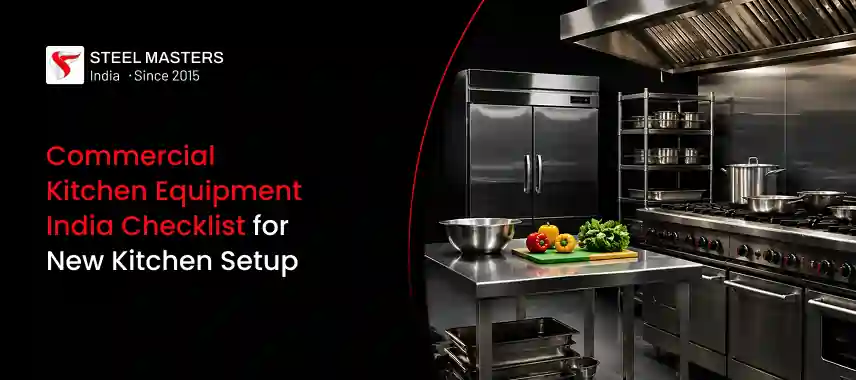
Setting up a commercial kitchen is one of the most significant steps for any food business in India. Whether you are opening a restaurant, cloud kitchen, hotel kitchen, bakery, café, industrial canteen, or catering unit, the kitchen layout and equipment you choose directly affect daily operations, food quality, hygiene, and long-term costs. A poorly planned kitchen often leads to workflow issues, wasted space, frequent repairs, and higher power bills. Choosing the right Commercial Kitchen Equipment India solutions at the planning stage helps avoid costly mistakes later.
India’s food service industry is growing fast, with rising demand for organised dining spaces, quick-service restaurants, and delivery-focused kitchens. As a result, business owners are paying closer attention to proper kitchen planning before launch. Buying equipment without a clear checklist often leads to unnecessary spending or missing key essentials.
This guide provides a practical Commercial Kitchen Equipment India checklist for a new kitchen setup. It outlines the major equipment categories, what to consider before buying, and common mistakes to avoid.
Why Planning Matters Before Buying Commercial Kitchen Equipment India
Many first-time restaurant owners make the mistake of buying equipment based solely on price or appearance. Commercial kitchens operate under heavy daily loads, and every machine must support smooth operations during peak hours. Proper planning is essential to a successful restaurant kitchen setup.
Before making a purchase, answer these questions:
- What type of food will be prepared?
- How many orders are expected per day?
- What is the available kitchen area?
- What is the daily electricity and gas requirement?
- How many kitchen staff will work at once?
The answers help determine the kitchen size, equipment capacity, and utility requirements.
For example, a bakery needs ovens, proofers, mixers, and cooling racks. A North Indian restaurant may require tandoors, burners, and large-capacity cooking vessels. A cloud kitchen focused on delivery may prioritise compact yet high-output equipment.
Clear planning reduces wastage and helps create a kitchen that supports smooth service.
Commercial Kitchen Equipment India Layout Checklist for New Setup
Before selecting equipment, finalise the kitchen layout. Equipment placement affects staff movement, food-preparation speed, and safety. A proper commercial kitchen setup checklist helps avoid layout errors.
A good commercial kitchen usually includes these zones:
Receiving and Storage Area
Raw ingredients are received, inspected, and stored here.
This zone should include:
- Dry storage racks
- Cold storage
- Ingredient bins
- Inventory shelves
Preparation Zone
Vegetables, meat, and other ingredients are washed, cut, and prepared.
Required setup:
- Prep tables
- Cutting stations
- Sinks
- Storage trays
Cooking Zone
This is the busiest area, where most cooking happens.
Common equipment:
- Burners
- Ovens
- Fryers
- Griddles
- Steamers
Plating and Service Area
Food is assembled and then sent for serving or packaging.
Common items:
- Work counters
- Heat lamps
- Packing tables
Washing Area
Cleaning and sanitation happen here.
Requirements:
- Wash sinks
- Dishwashing systems
- Drainage
A proper layout minimises unnecessary movement and reduces delays.
Cooking Equipment Checklist
Cooking equipment forms the backbone of any commercial kitchen. Choosing high-quality commercial kitchen equipment improves workflow and production capacity.
Commercial Gas Range and Burners
Burners are used for bulk cooking, boiling, sautéing, and frying. Capacity depends on business volume.
Check for:
- Number of burners
- Stainless steel body
- Gas efficiency
- Heat distribution
Indian restaurants often prefer multi-burner ranges for curry preparation and high-volume cooking.
Tandoor
For restaurants serving naan, roti, kebabs, and tandoori dishes, this is essential.
Options include:
- Clay tandoor
- Mild steel body
- Stainless steel outer body
- Gas or charcoal type
Choose based on menu and service volume.
Ovens
Ovens are widely used in bakeries, pizza kitchens, hotels, and cafés.
Types include:
- Deck ovens
- Convection ovens
- Combi ovens
- Pizza ovens
Choose size based on production output.
Fryers
Fryers are important for quick-service kitchens.
Suitable for:
- Fries
- Snacks
- Chicken
- Frozen products
Important buying points:
- Oil capacity
- Recovery speed
- Heating consistency
Griddles and Salamanders
Useful for sandwiches, grilled items, burgers, and finishing dishes.
Restaurants with breakfast menus often use griddles heavily.
Food Preparation Equipment Checklist
Prep equipment saves labour and improves consistency.
Vegetable Cutter
Reduces manual cutting time for onions, tomatoes, cabbage, and other vegetables.
Useful for:
- Hotels
- Banquet kitchens
- Caterers
Dough Kneader and Mixer
Necessary for bakeries, pizzerias, and large-scale bread production.
Important considerations:
- Bowl capacity
- Motor power
- Build quality
Meat Grinder
Useful for burger kitchens, kebab units, and meat processing.
Slicers and Choppers
These improve speed and portion consistency.
Good for:
- Cheese slicing
- Meat slicing
- Vegetable chopping
Manual preparation slows service during peak hours. Machines reduce the workload and improve consistency.
Refrigeration Equipment Checklist
Temperature control is critical in food businesses. Poor storage leads to spoilage and food safety issues.
Deep Freezer
Used for frozen food and long-term storage.
Suitable for:
- Meat
- Frozen vegetables
- Ice cream
- Ready-to-cook products
Upright Refrigerator
Common in restaurants and cafés.
Good for storing:
- Dairy
- Sauces
- Fresh produce
Cold Room
Large restaurants, hotels, and commissary kitchens often have cold rooms.
Benefits include bulk storage and improved stock management.
Before buying refrigeration equipment, check:
- Cooling capacity
- Insulation quality
- Compressor quality
- Energy usage
Power-efficient units reduce operating costs.
Storage Equipment Checklist
Storage equipment helps maintain order and hygiene.
Stainless Steel Racks
Used for dry ingredients and utensils.
Advantages:
- Rust resistance
- Easy cleaning
- Strong load capacity
Ingredient Bins
Good for storing:
- Rice
- Flour
- Sugar
- Pulses
Use airtight bins to prevent moisture and pests.
Wall Shelves
Useful in compact kitchens with limited floor space.
Smart storage streamlines workflow and reduces clutter.
Stainless Steel Kitchen Equipment and Fabrication Requirements
Stainless-steel kitchen equipment is widely preferred in India for its durability and hygiene.
Common fabricated items include:
- Work tables
- Sink units
- Exhaust hoods
- Service counters
- Display counters
- Dish landing tables
- Rack systems
Food businesses often choose custom fabrication because each kitchen has different dimensions.
When selecting fabricated products, check:
- Steel grade
- Welding quality
- Thickness
- Edge finishing
Poor fabrication may cause rust, instability, and cleaning problems.
Ventilation and Exhaust Checklist
Heat, smoke, and oil fumes are major concerns in busy kitchens.
A proper exhaust system improves air quality and staff comfort.
Essential components include:
Exhaust Hood
Placed above cooking stations to capture smoke and grease.
Ducting
Carries smoke out of the kitchen.
Exhaust Blower
Creates suction for airflow.
Fresh Air System
Maintains balanced air circulation.
Poor ventilation can create unsafe working conditions and reduce kitchen efficiency.
Washing and Hygiene Equipment Checklist
Cleanliness directly affects food safety and customer confidence.
Essential washing equipment includes:
Sink Units
Common configurations:
- Single sink
- Double sink
- Triple sink
Dishwashing Machine
Useful for hotels and high-volume restaurants.
Benefits:
- Faster cleaning
- Reduced labor
- Better sanitation
Hand Wash Stations
Mandatory in professional kitchens.
Install near prep and cooking zones.
Also keep:
- Soap dispensers
- Sanitizers
- Waste bins
Good hygiene reduces the risk of contamination.
Safety Equipment Checklist
Kitchen safety should never be ignored.
Fire, gas leaks, and electrical issues are common risks.
Must-have safety equipment:
- Fire extinguisher
- Gas leak detector
- Emergency shut-off valves
- First aid kit
- Fire suppression systems
Train staff in emergency handling.
Safety compliance is also important during inspections.
Utility and Installation Checklist
Before installation, confirm utility readiness.
Check:
Gas Line Capacity
Enough pressure for burners and tandoors.
Electrical Load
Heavy machinery needs stable power.
Water Supply
Required for washing and cleaning.
Drainage System
Proper waste disposal is essential.
Many delays occur because utility planning is ignored until installation day.
Things to Check Before Choosing a Kitchen Equipment Manufacturer in India
Not all suppliers offer the same quality level.
Before finalising a vendor, evaluate:
Manufacturing Capability
Does the company manufacture equipment or only resell?
An experienced kitchen equipment manufacturer usually offers better customisation options.
Installation Support
Proper installation prevents operational issues.
Service Availability
After-sales support is important for repairs and maintenance.
Material Quality
Check steel grade and component quality.
Project Experience
Experienced suppliers understand kitchen workflow better.
A professional hotel kitchen equipment manufacturer can assist with planning, fabrication, delivery, and installation.
Common Mistakes During New Kitchen Setup
Avoid these frequent mistakes:
- Buying oversized equipment
- Ignoring kitchen workflow
- Choosing low-grade steel
- Poor ventilation planning
- No maintenance planning
- Purchasing only based on low price
Cheap equipment may increase repair costs later.
Think long term rather than focusing only on initial spending.
Final Thoughts
A new kitchen setup requires more than buying burners and counters. Every equipment decision affects productivity, hygiene, maintenance, and customer satisfaction. From cooking equipment and refrigeration to ventilation and fabricated stainless-steel units, every category must be carefully planned.
Using a comprehensive Commercial Kitchen Equipment India checklist helps business owners avoid costly mistakes and build a kitchen ready for daily commercial use. Whether you are launching a café, hotel kitchen, cloud kitchen, or restaurant, careful planning and the right commercial kitchen equipment supplier can support smooth operations from day one.
Table of Contents
- Why Planning Matters Before Buying Commercial Kitchen Equipment India
- Commercial Kitchen Equipment India Layout Checklist for New Setup
- Receiving and Storage Area
- Preparation Zone
- Cooking Zone
- Plating and Service Area
- Washing Area
- Cooking Equipment Checklist
- Commercial Gas Range and Burners
- Tandoor
- Ovens
- Fryers
- Griddles and Salamanders
- Food Preparation Equipment Checklist
- Vegetable Cutter
- Dough Kneader and Mixer
- Meat Grinder
- Slicers and Choppers
- Refrigeration Equipment Checklist
- Deep Freezer
- Upright Refrigerator
- Cold Room
- Storage Equipment Checklist
- Stainless Steel Racks
- Ingredient Bins
- Wall Shelves
- Stainless Steel Kitchen Equipment and Fabrication Requirements
- Ventilation and Exhaust Checklist
- Exhaust Hood
- Ducting
- Exhaust Blower
- Fresh Air System
- Washing and Hygiene Equipment Checklist
- Sink Units
- Dishwashing Machine
- Hand Wash Stations
- Safety Equipment Checklist
- Utility and Installation Checklist
- Gas Line Capacity
- Electrical Load
- Water Supply
- Drainage System
- Things to Check Before Choosing a Kitchen Equipment Manufacturer in India
- Manufacturing Capability
- Installation Support
- Service Availability
- Material Quality
- Project Experience
- Common Mistakes During New Kitchen Setup
- Final Thoughts