
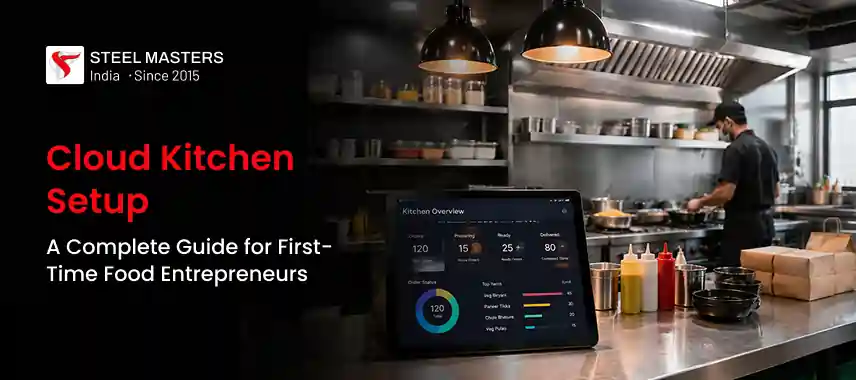
Starting a Cloud Kitchen Setup is one of the smartest ways for first-time food entrepreneurs to enter the growing online food delivery market without opening a traditional restaurant. Instead of investing in a large dining space, you can focus on preparing quality food for online orders while keeping operating costs under control. Whether you want to serve a single cuisine or launch multiple food brands, proper planning is the foundation of long-term success. This guide covers everything from choosing a location and obtaining licences to selecting Commercial Kitchen Equipment, managing operations, and building a profitable business.
What Is a Cloud Kitchen?
A cloud kitchen is a commercial food-preparation facility that operates exclusively for online delivery and takeaway orders. Unlike traditional restaurants, it does not have a dine-in area. Orders are placed through food delivery platforms, mobile applications, or a business website and are prepared in a dedicated kitchen before delivery.
This business model has become increasingly popular because it reduces many of the costs of running a dine-in restaurant while allowing business owners to focus on food quality and delivery speed.
Cloud kitchens are also known by different names, including:
- Ghost kitchen
- Virtual kitchen
- Dark kitchen
- Delivery-only kitchen
Many successful food brands now operate entirely on this model.
Why More Entrepreneurs Are Choosing a Cloud Kitchen Business
A Cloud Kitchen Business offers several advantages over traditional restaurant models, especially for entrepreneurs starting with limited capital.
Some of the biggest benefits include:
- Lower rental expenses
- Reduced staffing requirements
- Faster business launch
- Easy menu expansion
- Opportunity to operate multiple food brands
- Better control over operating costs
- Higher focus on online customers
- Flexibility to expand into new delivery locations
Since there is no dining area to maintain, business owners can invest more in food quality, kitchen operations, and customer satisfaction.
Cloud Kitchen Setup Planning: Build a Strong Foundation
Before purchasing equipment or renting a kitchen, spend time creating a detailed business plan. Good planning reduces unnecessary expenses and helps avoid mistakes in the early stages of your business.
Ask yourself these important questions:
What type of food will you sell?
Choose a menu that aligns with market demand and your expertise.
Popular choices include:
- North Indian cuisine
- South Indian meals
- Chinese food
- Pizza
- Burgers
- Biryani
- Healthy meals
- Salads
- Bakery products
- Desserts
- Beverages
Keeping the menu focused streamlines kitchen operations and reduces food waste.
Who are your target customers?
Understanding your customers helps you design the right menu and pricing strategy.
Your audience may include:
- Office employees
- Students
- Families
- Fitness-conscious customers
- Late-night food buyers
- Corporate lunch clients
Knowing your target market also helps you decide where to open your kitchen.
Estimate Your Budget
Every entrepreneur should prepare a realistic financial plan before launching a business.
Your budget should include:
- Kitchen rent
- Interior work
- Licenses
- Kitchen equipment
- Initial inventory
- Staff salaries
- Packaging materials
- Utility bills
- Marketing expenses
A well-planned budget prevents unexpected financial pressure when operations begin.
Choose the Right Location
Although customers never dine in a cloud kitchen, location still plays an important role.
Select a place that offers:
- Strong online food demand
- Easy access for delivery partners
- Affordable commercial rent
- Good road connectivity
- Continuous water supply
- Stable electricity
- Proper waste disposal
Choosing a location close to your primary delivery area helps reduce delivery time and improve the customer experience.
How to Start a Cloud Kitchen with the Right Business Model
If you are wondering how to start a cloud kitchen, choosing the right operating model is one of your first decisions.
Independent Cloud Kitchen
This model operates a single food brand from a single kitchen.
It works well for:
- Startup businesses
- Local food brands
- Home chefs entering the commercial market
Multi-Brand Kitchen
A single kitchen prepares food for several brands.
For example:
- One brand serves pizza
- Another serves biryani
- Another specialises in desserts
This approach improves kitchen utilisation while increasing earning opportunities.
Shared Kitchen
Several businesses rent space in a shared commercial kitchen facility.
This option reduces startup investment and suits entrepreneurs testing a new food concept.
Kitchen Hub
Large commercial facilities have multiple kitchens operating independently.
These facilities are common in major cities with high demand for online food delivery services.
Obtain All Required Licenses
Every food business should be legally compliant before accepting customer orders.
The required registrations may vary by your location, but generally include:
FSSAI License
Every food business in India must obtain an FSSAI licence before commencing operations.
GST Registration
GST registration may be required depending on your business structure and turnover.
Trade License
Issued by your local municipal authority.
Fire Safety Approval
Commercial kitchens should comply with fire safety regulations and maintain appropriate emergency equipment.
Shop and Establishment Registration
Many states require this registration for commercial enterprises.
Always verify the latest legal requirements applicable to your city or state.
Cloud Kitchen Setup Layout: Planning an Efficient Workspace
A well-planned Cloud Kitchen Setup improves workflow and enables staff to work safely and efficiently.
Your kitchen should have separate areas for:
- Raw material storage
- Vegetable preparation
- Cooking
- Baking (if required)
- Food assembly
- Packaging
- Dishwashing
- Waste management
Staff should be able to move comfortably between workstations without causing unnecessary congestion.
Commercial Kitchen Design Tips for Better Operations
A practical Commercial Kitchen Design enables faster food preparation and improves cleanliness across daily operations.
While planning your layout, consider the following:
- Place cooking equipment close to preparation stations.
- Keep refrigeration units easily accessible.
- Separate raw and cooked food areas.
- Provide enough storage for ingredients and packaging.
- Leave sufficient walking space between equipment.
- Position washing stations away from food preparation areas.
A well-planned kitchen layout also makes cleaning and maintenance easier.
Selecting the Right Commercial Kitchen Equipment
Investing in quality Commercial Kitchen Equipment is one of the most important investments your business can make.
The equipment you purchase should align with your menu and expected order volume.
Common cooking equipment includes:
- Commercial gas range
- Deep fryer
- Griddle
- Steamers
- Commercial ovens
- Induction cooktops
Refrigeration equipment may include:
- Reach-in refrigerator
- Deep freezer
- Cold storage units
Preparation equipment includes:
- Mixer grinder
- Vegetable cutting machine
- Dough kneader
- Food processor
Storage equipment includes:
- Stainless steel racks
- Shelving units
- Ingredient storage bins
Commercial-grade stainless-steel equipment is widely preferred for its hygiene, durability, and ease of cleaning.
Cloud Kitchen Equipment List for Daily Operations
Preparing a comprehensive Cloud Kitchen Equipment List before making purchases helps you avoid unnecessary spending and keeps your kitchen organised from day one.
Your equipment requirements will depend on the type of food you plan to serve, but most kitchens need the following equipment:
Cooking Equipment
- Commercial gas stove
- Cooking burners
- Griddle
- Deep fryer
- Steam cooker
- Commercial oven
- Induction cooktop
Refrigeration Equipment
- Reach-in refrigerator
- Deep freezer
- Undercounter refrigerator
- Cold storage unit
Food Preparation Equipment
- Mixer grinder
- Vegetable cutting machine
- Dough kneader
- Food processor
- Stainless steel preparation tables
Storage Equipment
- Stainless steel shelves
- Ingredient storage containers
- Dry storage racks
Cleaning Equipment
- Commercial sinks
- Hand wash station
- Dishwashing area
- Waste bins
Packaging Equipment
- Packing table
- Heat sealing machine
- Label printer
- Packaging material storage racks
Buying equipment based on your menu and expected order volume helps control costs and ensure smooth kitchen operations.
Maintain High Standards of Food Safety
Food safety should always remain a priority.
Customers expect clean, fresh, and hygienically prepared meals with every order.
Maintain hygiene by following these practices:
- Wash vegetables thoroughly.
- Store ingredients at recommended temperatures.
- Use clean utensils and cooking equipment.
- Wear gloves, aprons, and hairnets.
- Sanitise workstations regularly.
- Check expiry dates before using ingredients.
- Separate raw and cooked food.
- Clean the kitchen at the end of every shift.
Good hygiene builds customer confidence and drives repeat business.
Build a Simple and Profitable Menu
Many first-time entrepreneurs try to sell too many dishes.
A smaller menu usually works better because it helps your team maintain consistency and reduces food waste.
Focus on dishes that:
- Are easy to prepare
- Have steady customer demand
- Use common ingredients
- Offer healthy profit margins
- Can be packed safely for delivery
Review your menu every month and remove items that receive very few orders.
Hire the Right Team
Even a small delivery kitchen requires trained employees.
Common positions include:
Head Chef
Responsible for maintaining food quality and overseeing kitchen operations.
Assistant Cook
Supports food preparation during peak hours.
Kitchen Helper
Handles ingredient preparation, cleaning, and washing tasks.
Packing Executive
Checks every order before dispatch and packs food carefully.
Inventory Manager
Monitors stock levels and places orders for ingredients as required.
As customer demand grows, additional team members can be hired.
Use Restaurant Management Software
Technology helps manage daily kitchen activities more accurately.
Useful software features include:
- Order management
- Billing
- Inventory tracking
- Kitchen display system
- Staff attendance
- Customer database
- Daily sales reports
Managing all operations from a single platform saves time and reduces manual errors.
Register on Food Delivery Platforms
Food delivery applications help your business reach a wider customer base.
When creating your business profile, pay attention to:
- High-quality food photographs
- Accurate menu descriptions
- Competitive pricing
- Delivery timings
- Complete business information
Regular menu updates and appealing meal combinations can encourage customers to place larger orders.
Choose Packaging Carefully
Packaging is often the first physical touchpoint customers have with your brand.
Select packaging that:
- Prevents leakage
- Maintains food temperature
- Protects food during transportation
- Uses food-safe materials
- Looks neat and professional
Adding your logo and contact details to the packaging also enhances brand recognition.
Understand Cloud Kitchen Setup Cost Before Investing
Understanding your Cloud Kitchen setup costs helps you set realistic financial expectations before launching.
The overall investment depends on several factors, including:
- Kitchen size
- Rental charges
- Equipment quality
- Interior work
- Licenses
- Staff salaries
- Raw material inventory
- Utility expenses
- Packaging supplies
- Marketing budget
Planning for these expenses in advance helps avoid financial surprises during the first few months of operation.
Price Your Menu Correctly
Your menu pricing should cover all operating expenses and leave enough room for profit.
Include the following costs when calculating prices:
- Raw materials
- Staff salaries
- Rent
- Utilities
- Packaging
- Delivery commissions
- Taxes
- Business profit
Avoid setting prices based solely on competitors' prices. Every business has different operating costs.
Promote Your Cloud Kitchen
Marketing plays a major role in attracting new customers.
Some useful promotional methods include:
Social Media
Share:
- Food photographs
- Behind-the-scenes kitchen videos
- Customer reviews
- New menu launches
- Festival offers
Google Business Profile
A verified business profile helps local customers find your kitchen on the internet.
Business Website
Your website should allow customers to:
- Browse the menu
- Place orders
- Contact your business
- View operating hours
Paid Advertising
Online advertising can help attract nearby customers searching for food delivery services.
Monitor Customer Reviews
Customer feedback helps identify areas for improvement.
Pay attention to comments about:
- Taste
- Portion size
- Packaging
- Delivery speed
- Food quality
- Customer service
Respond politely to both positive and negative reviews.
Customers appreciate businesses that listen and promptly resolve concerns.
Control Inventory
Inventory management helps reduce unnecessary expenses and food waste.
Track the following regularly:
- Daily ingredient usage
- Stock availability
- Expiry dates
- Supplier deliveries
- Monthly purchasing
Ordering only what is required keeps storage organised and reduces waste.
Choose Trusted Suppliers
Your suppliers directly influence food quality.
Before selecting vendors, compare:
- Product quality
- Pricing
- Delivery schedule
- Freshness
- Replacement policy
- Business reputation
Working with reliable suppliers ensures consistent food preparation throughout the year.
Measure Business Performance
Review business performance every month.
Track important numbers such as:
- Daily orders
- Monthly revenue
- Average order value
- Food cost percentage
- Packaging expenses
- Customer ratings
- Repeat customers
- Net profit
These numbers help you make informed business decisions as your kitchen grows.
Common Mistakes to Avoid
Many first-time entrepreneurs make similar mistakes in the early stages.
Avoid these common problems:
- Offering too many menu items
- Buying unnecessary equipment
- Ignoring food hygiene
- Poor inventory planning
- Weak packaging
- Delayed deliveries
- Inconsistent food portions
- Ignoring customer reviews
- Hiring untrained staff
- Poor financial planning
Avoiding these mistakes can save time and money.
Expand Your Business Gradually
Once daily operations stabilise, you can consider expanding your business.
Growth opportunities include:
- Opening additional kitchens
- Launching multiple food brands
- Introducing meal subscription plans
- Serving corporate offices
- Providing catering services
- Selling ready-to-cook products
- Adding seasonal menu items
- Building your own delivery network
Expand only after your existing kitchen consistently performs well.
Choosing the Right Kitchen Equipment Partner
Selecting an experienced commercial kitchen equipment manufacturer is a critical business decision.
Look for a company that provides:
- Custom kitchen planning
- Food-grade stainless steel equipment
- Professional installation
- After-sales support
- Equipment suited to your menu and available space
The right supplier can help you avoid layout errors and ensure smooth day-to-day operations.
Final Words
Starting a Cloud Kitchen Setup offers first-time food entrepreneurs an excellent opportunity to enter the growing online food delivery market with lower investment than a traditional restaurant. Careful planning, choosing the right location, purchasing suitable equipment, maintaining food safety, managing costs, and delivering consistent quality all contribute to long-term success. Build your business step by step, monitor customer feedback, improve daily operations, and expand only when your foundation is strong. With proper preparation and the right approach, your cloud kitchen can grow into a successful and profitable food business.
Table of Contents
- What Is a Cloud Kitchen?
- Why More Entrepreneurs Are Choosing a Cloud Kitchen Business
- Cloud Kitchen Setup Planning: Build a Strong Foundation
- What type of food will you sell?
- Who are your target customers?
- Estimate Your Budget
- Choose the Right Location
- How to Start a Cloud Kitchen with the Right Business Model
- Independent Cloud Kitchen
- Multi-Brand Kitchen
- Shared Kitchen
- Kitchen Hub
- Obtain All Required Licenses
- FSSAI License
- GST Registration
- Trade License
- Fire Safety Approval
- Shop and Establishment Registration
- Cloud Kitchen Setup Layout: Planning an Efficient Workspace
- Commercial Kitchen Design Tips for Better Operations
- Selecting the Right Commercial Kitchen Equipment
- Cloud Kitchen Equipment List for Daily Operations
- Cooking Equipment
- Refrigeration Equipment
- Food Preparation Equipment
- Storage Equipment
- Cleaning Equipment
- Packaging Equipment
- Maintain High Standards of Food Safety
- Build a Simple and Profitable Menu
- Hire the Right Team
- Head Chef
- Assistant Cook
- Kitchen Helper
- Packing Executive
- Inventory Manager
- Use Restaurant Management Software
- Register on Food Delivery Platforms
- Choose Packaging Carefully
- Understand Cloud Kitchen Setup Cost Before Investing
- Price Your Menu Correctly
- Promote Your Cloud Kitchen
- Social Media
- Google Business Profile
- Business Website
- Paid Advertising
- Monitor Customer Reviews
- Control Inventory
- Choose Trusted Suppliers
- Measure Business Performance
- Common Mistakes to Avoid
- Expand Your Business Gradually
- Choosing the Right Kitchen Equipment Partner
- Final Words